Finland halts 13 billion euro data center project after Google cleared hundreds of hectares of forest

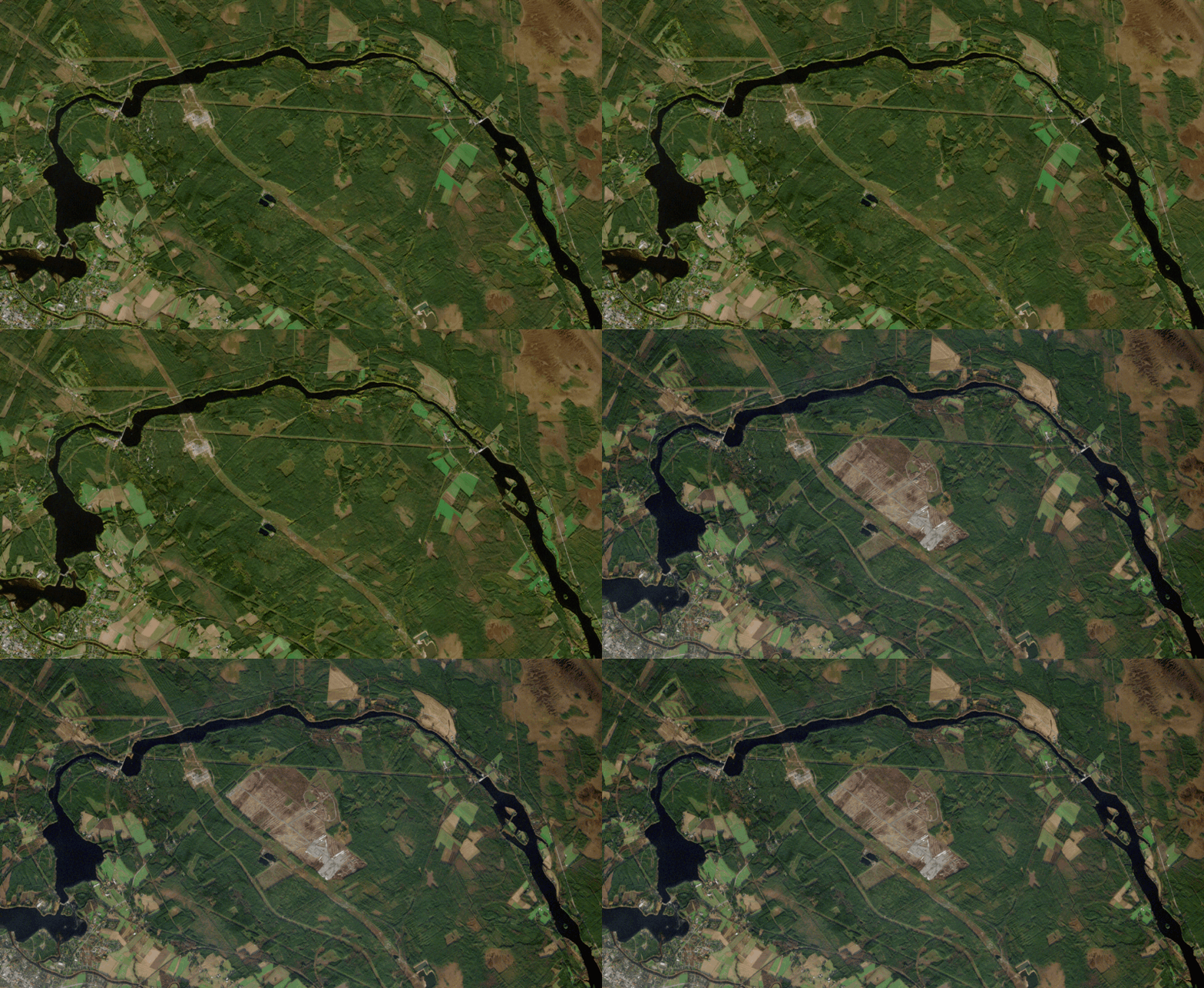
A 13 billion euro data center project was halted by two documents released in early October. The Finnish Supervisory Agency (Lupa- ja valvontavirasto, LVV) issued them to Tuike Finland Oy, Google’s Finnish branch, for clearing hundreds of hectares of forests without permission. The company had removed stumps and other vegetation, stripped topsoil, started preparing storage areas and building access roads. It claimed it did not need permission to start construction but later apologised to the Finnish public.
In collaboration with the newly founded Otter News, Vertical52 has analysed the vegetation loss in Muhos and Kajaani, the two locations of Tuike’s data center project. The company claimed a forest loss of 530 hectares. We found that at least 647 hectares of trees and other plants have been destroyed in the months since the site preparations started. Our analysis shows that the company has razed forests more than three times the size of Monaco. The widespread clearing has changed the environment and sparked outrage in Finland.
On September 9, Google announced what it called its largest single investment in Europe so far: 13 billion euros for data centers in “Hamina, Kajaani, Muhos and Vaala” in 2027 and 2028. Google promised the construction phase would bring over 37,000 jobs per year. The Finnish Prime Minister Petteri Orpo seemed satisfied with the deal. The announcement quoted him saying: “Deepening our collaboration with Google will deliver lasting benefits for both parties.” By then, the forest clearings had been going on for five months.
300 hectares of vegetation lost in Kajaani
Close to the town of Otanmäki in Kajaani, individual patches of brown could be seen on satellite imagery from 2025, before the company started clearing the areas.
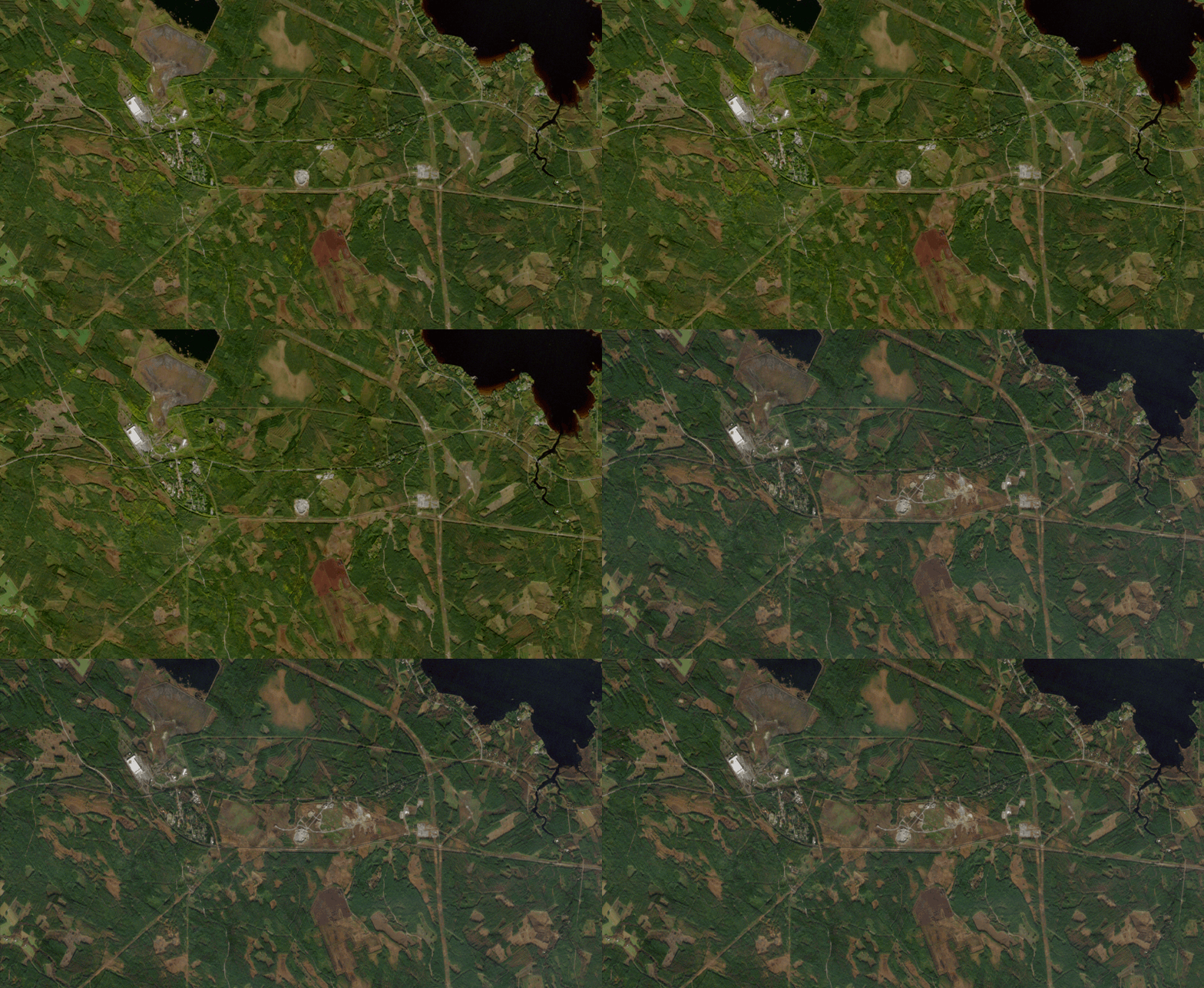
The images from October 2026 paint a different picture. A large brown-coloured area has emerged in the middle of the satellite image.
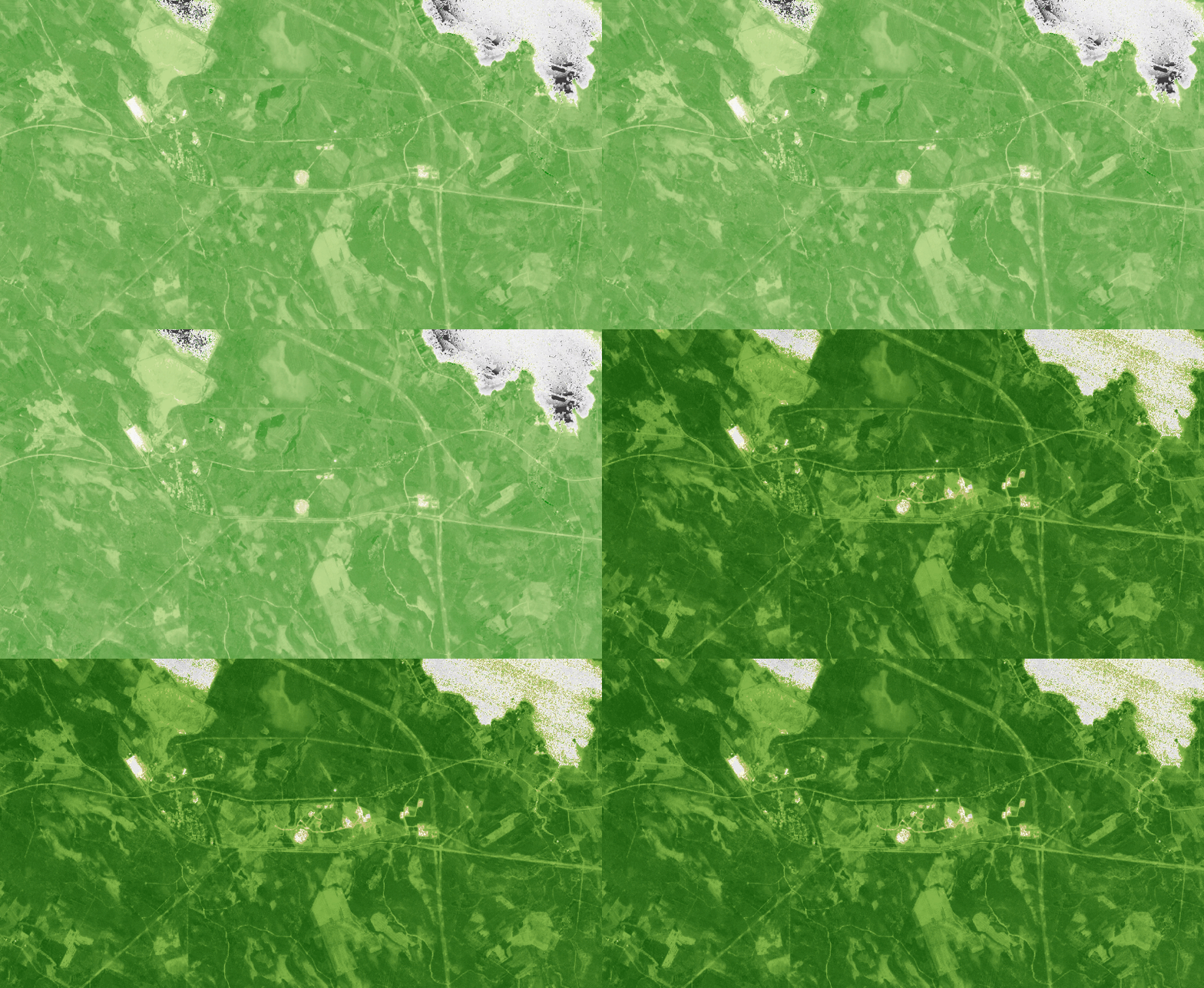
Through satellite data analysis of the differences in vegetation density between 2025 and this year, Vertical52 determined a loss of plants on roughly 300 hectares of ground in Kajaani.
In our analysis, we used the remote sensing method of the Normalized Difference Vegetation Index (NDVI). Healthy leaves absorb red light to fuel photosynthesis while reflecting near-infrared light – invisible to the human eye. Europe’s Sentinel-2 satellite can measure both types of light. Comparing both pieces of data creates an index score of how dense and healthy plants or forests are. Darker areas in the images show dense, healthy vegetation. If forest is cleared, it shows up as brighter in the images, as seen in Kajaani in 2026.
We applied the same methodology in another location that is part of the data center plans. It unveiled even bigger losses.
Another 347 hectares lost in Muhos
“The Google project not only represents a significant investment but also strengthens our position as a location for future growth, innovation, and sustainable development”, Kimmo Hinno, the town manager of Muhos, was quoted in Google’s project announcement. He called it “a landmark moment for the Muhos municipality”. In the months leading up to his statement, Google Finland had cleared roughly 347 hectares of forest, an area as big as New York City’s Central Park.
The projected landmark moment for the Muhos municipality seems to have come early. Just days after Google’s announcement, the Finnish Association for Nature Conservation made public their suspicions of illegal logging on both construction sites. The Finnish outlet Yle reported: “Large-scale forest work began in the areas months ago, even though the environmental impact assessment of the projects is still ongoing.” Simultaneously, the Finnish Supervisory Agency LVV had started investigating the incidents.
International attention turned to the towns in Finland when the agency released two documents asking Tuike to halt all preparatory work on both data center sites. LVV writes that the company had failed to follow standard Finnish environmental procedures:
If much of the site is already cleared before the assessment is finished, alternatives or harm prevention can no longer happen. The assessment loses its purpose. In addition, a project can’t be split into stages for early steps to escape an assessment, LVV writes citing an EU Court of Justice ruling. A third reason the agency names is the extent of Tuike’s “preparatory work”. LVV argues that the works are already big enough to need an assessment on their own.
First, Tuike leaned on the municipalities supposedly allowing the company to begin the preparations for their construction sites. Later, the company backed down and Google’s Finland Country Director, Antti Järvinen, apologised for “extensive forest clearances at the company’s data centre sites in Muhos and Kajaani.”
Early consequences
At the Muhos site alone, more than 250,000 trees were felled, the Guardian reports. Another 150,000 were cut in the southern site in Kajaani. Wolves were displaced by the clearings and entered the village, the Guardian quoted a resident as saying.
Simultaneously, opposition has formed against the data center plans and the lack of suitable legislation to protect nature and people in Finland from such projects. A citizens’ initiative aims to regulate data centres and subject their development to stricter reviews. 97,000 people have signed the petition.
Tuike has put construction preparations on hold for now. A spokesperson told the Guardian: “We have operated in Finland for 15 years and have always worked to meet or exceed zoning, environmental, health and safety requirements. After receiving the LVV letters on 6 October, we stopped preparatory works at Muhos and Kajaani and have submitted a formal response to LVV confirming this.”
The spokesperson added that Tuike would fully comply with LVV’s requests and is looking forward to “maintaining an active, open dialogue with all authorities to strengthen our partnership with Finland and local organisations.”
Otter News and Vertical52
Vertical52 is co-publishing this story with the newly founded, climate- and environment-focused newsroom Otter News. Anyone who wishes to enable investigative environmental and climate reporting can support Otter News by becoming a member. Only if a total of 3,000 people become “Otters” by mid-January will Daniel Drepper’s editorial team be able to get started in 2027. We at Vertical52 are looking forward to many more future collaborations and joint investigations.


